Author: digitaltaleofficial

  • Social Media Algorithms 2025: What Changed and How to Adapt

    Social Media Algorithms 2025: What Changed and How to Adapt

    In 2025, social media algorithms have evolved faster than ever before. Platforms like Instagram, Facebook, YouTube Shorts, and LinkedIn are reshaping the way content reaches users. For businesses and creators, understanding these algorithm updates is the key to boosting visibility, engagement, and conversions.

    So, what has changed in 2025, and how can you adapt your strategy? Let’s dive in.


    Key Social Media Algorithms Changes in 2025

    1. Engagement Quality > Quantity

    • Likes and shares still matter, but platforms now prioritize meaningful interactions (comments, saves, replies, and shares in DMs).
    • Example: Instagram ranks content higher if followers save your post instead of just liking it.

    Adaptation Tip: Focus on creating content that sparks conversations, not just passive likes.


    2. AI-Driven Personalization

    • Social platforms now use AI-powered feeds that analyze user behavior deeply.
    • Instead of chronological order, feeds are tailored per user with predictive engagement models.

    Adaptation Tip: Use audience insights & create personalized storytelling around your brand.


    3. Short-Form Video Still Rules

    • Reels, YouTube Shorts, and Snapchat Spotlight remain top-priority.
    • Videos under 30 seconds with captions & strong hooks get the highest reach.

    Adaptation Tip: Repurpose content into snackable videos and add trending audio for higher discoverability.


    4. Authenticity Over Perfection

    • Highly polished ads are losing charm; authentic, behind-the-scenes, and user-generated content (UGC) gets more reach.
    • Platforms push real interactions instead of salesy posts.

    Adaptation Tip: Showcase your brand’s human side – BTS videos, customer stories, team culture.


    5. Social Commerce Integration

    • Algorithms now prioritize shoppable content – posts that let users buy directly.
    • Meta, Instagram Shops, and Pinterest Shopping are stronger than ever.

    Adaptation Tip: Optimize posts with product tags, clickable CTAs, and shoppable videos.


    How to Adapt Your Strategy in 2025

    ✔ Post content your audience wants to engage with (use polls, Q&A, carousels).
    ✔ Experiment with AI tools for captions, trend tracking, and scheduling.
    ✔ Invest in short-form video production consistently.
    ✔ Collaborate with micro-influencers for better organic reach.
    ✔ Track analytics weekly to understand what type of content algorithms reward.


    Conclusion

    The 2025 social media landscape is all about personalization, authenticity, and meaningful engagement. Brands that adapt to these algorithm changes will not only increase visibility but also turn followers into loyal customers.

  • Social Commerce in 2025: Turning Likes into Sales

    Social Commerce in 2025: Turning Likes into Sales

    The way people shop online is changing rapidly, and in 2025, social commerce is leading the revolution. Platforms like Instagram Shops, Facebook Marketplace, and WhatsApp Business are no longer just places to connect—they’re turning into digital storefronts. Today, a simple like or share can directly transform into a purchase decision, making social commerce a game-changer for brands worldwide.

    For businesses, this isn’t just a trend—it’s the future. Let’s explore how social commerce in 2025 is transforming customer journeys and how you can use it to turn likes into sales.


    What is Social Commerce?

    Social commerce is the process of selling products directly through social media platforms. Unlike traditional e-commerce, where users move from social platforms to websites, social commerce allows customers to discover, engage, and buy—all in one place.

    In 2025, the focus is shifting to seamless shopping experiences, where convenience and trust drive buying decisions.


    Why Social Commerce is Booming in 2025

    Here are the key reasons why social commerce is exploding this year:

    • One-click shopping: Customers can purchase without leaving the app.
    • Trust through influencers & UGC: Reviews, reels, and influencer posts build credibility.
    • AI-powered recommendations: Personalized product suggestions increase conversions.
    • Direct engagement: Businesses can answer queries via WhatsApp, DMs, or chatbots instantly.

    Strategies to Turn Likes into Sales

    1. Leverage Instagram Shops & Reels

    Instagram is more than just visuals; it’s a selling machine in 2025. Tag products in reels and posts, making it easy for users to purchase what they see instantly.

    2. Use WhatsApp for Business Transactions

    In India, WhatsApp has become a key commerce tool. With built-in catalogs and payment options, it’s perfect for closing deals directly through chat.

    3. Collaborate with Micro-Influencers

    Micro-influencers have niche audiences that trust them deeply. A recommendation from them can convert followers into loyal customers.

    4. Boost Social Proof with User-Generated Content

    Encourage customers to share their experiences and tag your brand. These authentic stories increase trust and push others to buy.

    5. Invest in AI Chatbots for Instant Support

    AI-driven chatbots on social platforms answer queries instantly and guide buyers from interest to checkout.


    Benefits of Social Commerce for Businesses

    • Higher Conversion Rates – Shorter journey from discovery to purchase.
    • Lower Marketing Costs – Organic content + influencer collabs outperform ads.
    • Improved Customer Experience – Personalized, seamless, and interactive.
    • Stronger Brand Loyalty – Direct communication builds stronger bonds.

    The Future of Social Commerce

    By 2025 and beyond, social commerce will integrate even more with:

    • Augmented Reality (AR) shopping – Try before you buy with virtual demos.
    • AI-driven personalization – Ultra-targeted recommendations based on behavior.
    • Voice-enabled shopping – Orders through voice assistants connected to apps.

    Brands that embrace social commerce today will lead tomorrow.


    Conclusion

    Social commerce in 2025 is more than just a trend—it’s the future of digital marketing. Businesses that adapt will transform engagement into real revenue, turning likes into loyal customers.

    If you’re ready to step into the future of marketing, start optimizing your social presence now. After all, in 2025, your next big sale could be just one like away.

  • Short Form Video Marketing: The 2025 Power Strategy for Instagram Reels & YouTube Shorts

    Short Form Video Marketing: The 2025 Power Strategy for Instagram Reels & YouTube Shorts

    In 2025, short form video marketing has become the most powerful tool for brands to connect with their audience, especially in India. While TikTok dominates globally, platforms like Instagram Reels, YouTube Shorts, and Facebook Reels are the go-to channels for Indian businesses to create viral, high-engagement content.

    From boosting brand awareness to driving direct sales, short videos are no longer just a trend—they are the future of digital marketing.


    Why Short Form Videos Are Dominating in 2025

    Short form videos (15–60 seconds) work because:

    • Attention spans are shrinking — quick content keeps viewers hooked.
    • Algorithms love them — Instagram, YouTube, and Facebook push them to wider audiences.
    • Easy to consume, easy to share — people prefer quick entertainment and snackable content.
    • High engagement rates — short videos get more likes, comments, and shares compared to other formats.

    Top Platforms for Short Form Video Marketing in India

    1. Instagram Reels

    Instagram continues to dominate with Reels, offering trending audio, filters, and a massive user base. Brands can use hashtags, trending music, and interactive captions to maximize reach.

    2. YouTube Shorts

    With billions of users, YouTube Shorts is perfect for repurposing content and reaching a search-based audience. The platform also allows monetization for creators and brands.

    3. Facebook Reels

    While underrated, Facebook Reels is growing fast in India and works well for targeting regional audiences and older demographics.


    5 Strategies to Win at Short Form Video Marketing in 2025

    1. Hook Viewers in the First 3 Seconds
      Use curiosity, surprise, or bold statements to grab attention instantly.
    2. Leverage Trends & Trending Sounds
      Jump on trending audio and challenges while they’re still fresh.
    3. Keep It Authentic
      Use behind-the-scenes, customer stories, or relatable humor to build trust.
    4. Add Captions & Keywords
      Optimize your captions with relevant SEO keywords to help your videos rank in platform searches.
    5. Include Strong CTAs
      Guide viewers to take action—like visiting your website, following your page, or making a purchase.

    Global Perspective: What About TikTok?

    While TikTok is banned in India, it remains a global leader in short form content. Studying TikTok trends can still inspire ideas that work on Instagram Reels and YouTube Shorts.


    Conclusion

    Short form video marketing isn’t just entertainment—it’s a conversion machine. By mastering Instagram Reels, YouTube Shorts, and Facebook Reels, your brand can reach more people, drive engagement, and boost sales in 2025.

  • Interactive Content Marketing in 2025: How Engagement-Driven Strategies Boost Conversions

    Interactive Content Marketing in 2025: How Engagement-Driven Strategies Boost Conversions

    Interactive Content Marketing in 2025: How Engagement-Driven Strategies Boost Conversions

    Static content is fading. In 2025, brands are no longer just posting—they’re starting conversations. Interactive Content Marketing is the game-changer turning passive audiences into active participants.

    At Digital Tale, we believe the future of digital marketing is two-way, not one-way. Let’s explore why interactive content matters, what formats are trending, and how it can skyrocket your brand’s conversions.

    What Is Interactive Content Marketing?

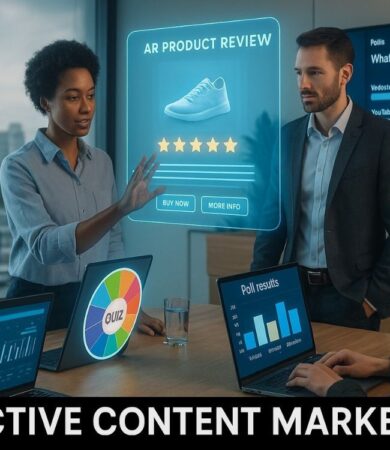
    Interactive content marketing is any type of content that requires audience participation instead of passive consumption. Instead of simply scrolling, users click, vote, swipe, or play—making the experience memorable and personal.

    Examples include:

    • Quizzes & Polls: “Which marketing strategy suits your brand?”
    • AR/VR Experiences: Try-before-you-buy filters and 3D product views.
    • Gamified Campaigns: Spin-the-wheel discounts or reward challenges.
    • Calculators & Assessments: ROI calculators or personalized audit tools.

    Why Interactive Content Is Winning in 2025

    1. Higher Engagement Rates
      Interactive content has 2x higher engagement than static blogs or ads because it keeps users involved.
    2. Improved Conversions
      Brands using quizzes and calculators see up to 40% higher conversion rates because personalization drives purchase intent.
    3. Better Data Collection
      Interactive tools allow you to collect valuable insights while offering value to users.
    4. Boosted Brand Loyalty
      When customers participate, they feel invested in the experience—this builds long-term loyalty.
    5. Social Media Virality
      Gamified content and AR filters thrive on platforms like Instagram, TikTok, and YouTube Shorts, turning users into organic promoters.

    How to Implement Interactive Content in Your Strategy

    1. Start Small with Polls & Quizzes
      Use tools like Typeform or Interact to create quick, shareable quizzes or surveys.
    2. Integrate AR for Product Previews
      Brands like IKEA and Sephora use AR filters to let users try products virtually—this builds confidence and drives sales.
    3. Gamify Your Campaigns
      Reward-based campaigns (e.g., spin-to-win discounts) boost engagement and repeat visits.
    4. Use Interactive Video
      Platforms like Wistia and Vimeo let you add clickable CTAs and polls inside videos for better engagement.
    5. Measure & Optimize
      Track metrics like engagement rate, completion rate, and conversion impact. Refine campaigns based on data-driven insights.

    Brands Already Winning with Interactive Content

    • Spotify Wrapped: Personalized listening data shared by millions each year.
    • Nike: AR-based sneaker try-ons that make shopping fun and easy.
    • HubSpot: Free interactive tools like ROI calculators and marketing assessments.
    • L’Oréal: Virtual makeup try-on filters, boosting e-commerce sales globally.

    The Digital Tale Takeaway

    In 2025, interactive content marketing is no longer optional—it’s essential. Static posts may get views, but interactive experiences get results.

    At Digital Tale, we help brands design engaging campaigns that turn clicks into conversations and conversations into conversions. From quizzes to gamified experiences and AR-driven content, we make your marketing interactive, powerful, and future-ready.

    Ready to make your content work harder?
    Let’s create campaigns that your audience doesn’t just see—they experience.

  • Social Search Optimization (SSO): Why Gen Z Finds Brands on Instagram, Not Google

    Social Search Optimization (SSO): Why Gen Z Finds Brands on Instagram, Not Google

    Picture this: You launch a new product. Instead of Googling it, your potential customers head straight to Instagram, YouTube, or Pinterest.

    This isn’t just a trend—it’s a shift in how search works. Social Search Optimization (SSO) is the new frontier, and if your brand isn’t optimizing for it, you’re missing where the next generation actually looks for answers.

    At Digital Tale, we help brands move beyond traditional SEO and tap into the platforms where audiences are already searching. In 2025, SSO is not optional—it’s the key to staying visible.

    What is Social Search Optimization (SSO)?

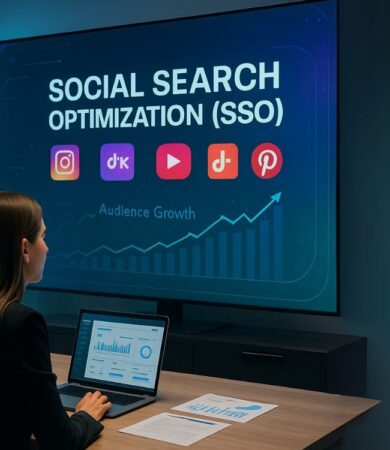
    Social Search Optimization (SSO) is the process of optimizing your brand’s content for searchability within social platforms like Instagram, YouTube, and Pinterest.

    While traditional SEO focuses on Google rankings, SSO ensures your brand appears when users search inside social media platforms—where Gen Z and younger millennials spend most of their time.

    Why SSO Matters in 2025

    1. Gen Z Searches Social First
    • 60% of Gen Z users prefer social media over Google for brand discovery.
    • Platforms like Instagram now double as visual search engines.
    1. Algorithm-Driven Results
    • Social media algorithms prioritize engaging, relevant, and niche content—not backlinks or meta tags.
    1. Zero-Click Behavior is Growing
    • Users find information, reviews, and even shopping links without leaving the platform.
    1. High Conversion Rates
    • Social search is high-intent. If someone searches “best skincare serum” on Instagram, they’re likely ready to buy.

    How to Optimize for Social Search

    Here’s how your brand can dominate the social search results in 2025:

    1. Use Keyword-Rich Captions and Hashtags

    • Treat your captions like mini-blog posts.
    • Include long-tail keywords users are typing in platform search bars.
    • Mix broad hashtags (#DigitalMarketing) with niche tags (#SSO2025).

    2. Leverage Visual SEO

    • Add alt text to images on Instagram.
    • Use keyword-rich video descriptions on Instagram and YouTube.
    • Include on-screen text that matches search queries.

    3. Create Content That Ranks

    • Post how-to tutorials, product demos, and trend-based videos.
    • Use carousel posts for bite-sized education.
    • Join platform-specific trends to improve reach.

    4. Optimize Profiles Like Landing Pages

    • Add keywords to your bio (e.g., “AI-Powered Marketing Agency”).
    • Include a CTA link to your website or campaign.
    • Use highlights and pinned posts for evergreen content.

    5. Leverage Influencers for Search Visibility

    • Micro-influencers boost credibility and rank higher in social search.
    • Collaborate on keyword-rich campaigns that integrate both content and captions.

    Real Examples of SSO in Action

    • Glossier: Ranks for “dewy skin” on TikTok because of UGC-driven videos.
    • Nike: Optimized Instagram profile and hashtags keep it at the top of fitness-related searches.
    • Starbucks: Leverages seasonal keyword trends like “pumpkin spice” to dominate social search results.

    The Digital Tale Takeaway

    Social search is rewriting the rules of SEO. In 2025, if your brand isn’t optimized for Instagram, YouTube, and Pinterest searches, you’re invisible to the audiences that matter most.

    At Digital Tale, we help brands master SSO by:

    • Crafting keyword-rich content for social platforms
    • Optimizing profiles for discoverability
    • Using data-driven hashtag strategies
    • Aligning content with platform-specific algorithms

    Because in this new era of search, the brands that win aren’t the ones who rank on Google—they’re the ones Gen Z can find first on social.

  • Generative Engine Optimization (GEO): The SEO Frontier Beyond Traditional Search in 2025

    Generative Engine Optimization (GEO): The SEO Frontier Beyond Traditional Search in 2025

    Imagine asking ChatGPT, “What’s the best digital marketing agency near me?”—and instead of ten blue links, you get one answer.
    That answer isn’t just found. It’s chosen.

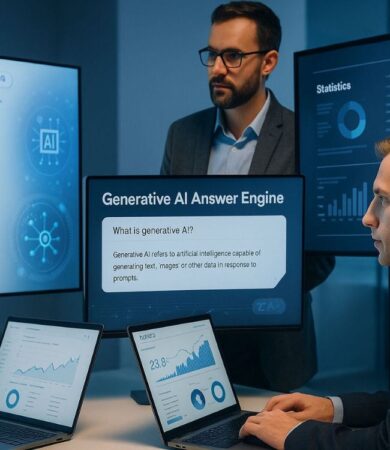
    Welcome to the world of Generative Engine Optimization (GEO), where brands no longer optimize just for search engines but for AI-driven answer engines like ChatGPT, Google Gemini, and Perplexity.

    At Digital Tale, we believe GEO is not the future—it’s the present. And if your brand isn’t preparing for it now, you risk becoming invisible in an AI-driven search world.

    What is Generative Engine Optimization (GEO)?

    Generative Engine Optimization is the process of structuring and optimizing content so AI-powered engines can find, understand, and cite your brand as a credible source.

    Unlike traditional SEO, which focuses on keyword rankings and click-throughs, GEO focuses on:

    • Optimizing for AI-driven summaries (e.g. ChatGPT or Gemini answers)
    • Crafting data-rich, structured content for LLMs to extract
    • Implementing llms.txt protocols to control AI crawling
    • Building authority and trust signals AI can verify

    In other words, it’s SEO for the age of AI-generated answers.

    Why GEO Matters in 2025

    AI isn’t killing search—it’s changing it. Here’s why GEO is exploding in relevance:

    1. Zero-Click Era: Over 65% of Google searches end without a click. GEO ensures your brand is still visible when no one visits your site.
    2. AI-Powered Search Adoption: Platforms like Perplexity and ChatGPT are now primary discovery tools.
    3. Higher Authority Barriers: LLMs prioritize content from brands with high expertise, trust, and relevance.
    4. First-Mover Advantage: Few brands are optimizing for GEO yet—early adopters can dominate AI results.

    5 GEO Strategies to Future-Proof Your Brand

    Here’s how to ensure AI doesn’t overlook you:

    1. Master Structured Data

    • Use schema markup (FAQ, How-To, Product) to make content machine-readable.
    • Implement llms.txt to guide AI crawlers.
    • Create knowledge graphs linking your brand with relevant topics.

    2. Create Answer-Ready Content

    AI thrives on concise, authoritative content:

    • Add Q&A sections to your pages.
    • Write featured snippet-friendly answers (40–50 words).
    • Cover related queries users might ask AI tools.

    3. Leverage Authoritativeness (E-E-A-T)

    AI values credibility:

    • Showcase author bios and credentials.
    • Link to trusted external sources.
    • Build backlinks from reputable sites.

    4. Optimize for AI Search Platforms

    Don’t just think Google:

    • Test your content visibility on ChatGPT, Gemini, and Perplexity.
    • Monitor AI-driven search analytics (tools like Glimpse and AlsoAsked).

    5. Develop Evergreen Topic Clusters

    Generative engines prefer comprehensive topic coverage:

    • Build pillar pages with interlinked blogs.
    • Target both short-tail and conversational long-tail queries.

    Real-World Example of GEO in Action

    Brands like HubSpot are already embracing GEO by publishing FAQ-driven content and AI-crawlable guides, resulting in increased visibility across Gemini and ChatGPT responses.

    Similarly, Wikipedia’s structured format dominates generative results because of its clear data hierarchy and strong authority.

    The Digital Tale Takeaway

    Generative Engine Optimization isn’t just another marketing trend—it’s the evolution of search itself.

    If your brand wants to remain discoverable in 2025 and beyond, now is the time to:

    • Optimize content for AI engines, not just search engines.
    • Structure data for machine readability.
    • Build trust signals that LLMs can’t ignore.

    At Digital Tale, we help brands future-proof their visibility. From schema markup to GEO-focused content strategies, we ensure your brand doesn’t just rank—it gets chosen by AI.

    Because in the world of AI search, if you’re not the answer, you’re invisible.

  • Beyond the Algorithm: How AI Hyper-Personalization is Reshaping Digital Marketing in 2025

    Beyond the Algorithm: How AI Hyper-Personalization is Reshaping Digital Marketing in 2025

    In today’s crowded digital landscape, generic marketing messages simply don’t cut it anymore. Consumers expect more; they demand experiences that feel tailor-made for them. This isn’t just a preference—it’s a critical factor, with 81% of customers preferring companies that offer personalized experiences, and 90% finding personalization highly appealing.

    Welcome to 2025, where AI-powered hyper-personalization isn’t just a buzzword, it’s the core of successful digital marketing. At DigitalTale.in, we believe understanding this shift is crucial for any business looking to connect deeply with its audience and stay ahead. This goes far beyond basic segmentation; we’re talking about true 1:1 marketing, delivered at scale.

    The Dawn of True 1:1 Marketing: What is AI-Powered Hyper-Personalization?

    Think of personalization as showing someone relevant products based on their past purchases. Hyper-personalization, powered by AI, takes this to an entirely new level. It’s about delivering unique, relevant messages and experiences to individual consumers, unifying touchpoints across every channel for a truly consistent interaction.

    How does AI fuel this? It’s the engine behind massive data collection, sophisticated analysis (including predictive modeling and sentiment analysis), and real-time decision-making. AI can process vast amounts of behavioral data, preferences, and contextual cues to anticipate needs and deliver the perfect message at the precise moment. This means AI isn’t just a tool; it’s becoming an autonomous partner in strategy. As of 2025, the global AI in marketing industry is valued at $47.32 billion, projected to reach $107.5 billion by 2028, with a remarkable CAGR of 36.6%. This growth underscores its transformative power.

    AI in Action: Transforming Key Areas of Digital Marketing

    AI’s impact on digital marketing is profound and multifaceted. Here’s how it’s reshaping the core functions:

    Dynamic Content & Website Personalization

    Imagine a website that changes its layout, showcases different products, or alters its messaging based on each visitor’s real-time behavior, previous interactions, and expressed interests. AI makes this possible. For e-commerce sites, this means tailored product recommendations that significantly boost sales, like Flipkart’s success in increasing sales by up to 20% through personalized recommendations powered by machine learning algorithms.

    Hyper-Targeted Ad Campaigns

    Gone are the days of broad demographic targeting. AI-driven programmatic advertising enables hyper-targeting audiences by analyzing psychographics, real-time intent, and specific online behaviors. This leads to dramatically increased conversions and reduced customer acquisition costs. Real-time bidding (RTB), a core component, ensures your ads reach the right person at the right time on the right platform. In fact, 50% of surveyed marketers (from the US, UK, Canada, and India) use AI for ad targeting.

    Personalized Email & Messaging Automation

    AI crafts email sequences and chatbot interactions that feel genuinely personal. From subject lines to content and send times, AI optimizes every element for individual engagement. This extends to AI-powered chatbots and virtual assistants that offer instant, personalized help, with HDFC Bank reducing customer wait times by 30% through their AI-driven chatbots.

    Predictive Analytics for Customer Lifetime Value (CLTV)

    AI excels at analyzing historical data to predict future customer behavior, identify high-value segments, and even forecast churn risk. This allows marketers to proactively engage with customers, offering timely incentives or support to maximize their CLTV. Zomato, for instance, uses predictive analytics for campaign optimization, leading to a 25% increase in engagement with their promotional offerings.

    Enhanced Customer Service & Support

    AI-powered solutions ensure customers receive instant, accurate, and personalized assistance, freeing up human agents for more complex issues. This seamless support experience further enhances loyalty.

    Navigating the Indian Landscape: Opportunities and Challenges for AI Personalization in India

    India, with its vast and diverse population, rapid smartphone penetration, and booming digital payments ecosystem, presents immense opportunities for AI in marketing. The country’s embrace of digital technologies makes it a fertile ground for hyper-personalization, especially with the growing demand for local language content and regional relevance. Even small brands in India are leveraging AI-driven personalization to build loyalty, with studies showing it can increase sales by over 10% and generate up to 8x ROI. Brands like Pepperfry use AI to curate and create content and product descriptions, seeing a 15% increase in conversion rates, while Nestlé India employs AI for market research and sentiment analysis.

    However, this rapid adoption isn’t without its challenges:

    • Data Privacy Concerns: With the formalization of the Indian Digital Personal Data Protection (DPDP) Bill, 2023, and its Draft Rules (expected to be formally in force soon, following public consultation until March 2025), the landscape for data collection and usage has shifted dramatically.
    • Consent-Centric Approach: The DPDP Bill’s core principle is clear, informed, and unambiguous consent from Data Principals. Businesses must provide transparent notices in English and official Indian languages.
    • “Consent Managers”: A new entity introduced by the DPDP Act will manage data subjects’ consents, adding another layer of compliance.
    • Significant Data Fiduciaries: Larger entities will face heightened obligations, including annual Data Protection Impact Assessments (DPIAs) and algorithm audits.
    • Ambiguities: Despite the progress, some ambiguities remain regarding profiling, automated decision-making safeguards, and definitions of sensitive personal data. Marketers need to stay vigilant and adapt.
    • Infrastructure and Talent Gap: Ensuring robust data infrastructure and a skilled workforce capable of implementing and managing AI solutions remains crucial.

    Ethical AI and Data Privacy: Building Trust in a Personalized World

    As AI becomes more ingrained in marketing, trust emerges as a critical differentiator. With widespread AI adoption, concerns around privacy, bias, and transparency are heightened. The DPDP Act in India mandates prompt data breach notifications (within 72 hours to the Data Protection Board) and calls for ‘reasonable security measures’ like encryption.

    For marketers, this means:

    • Transparency: Be clear about what data you collect and how it’s used to personalize experiences.
    • Consent: Always obtain clear consent, and make it easy for users to withdraw it.
    • Bias Mitigation: Actively work to identify and reduce algorithmic bias to ensure fair and equitable personalization.
    • Human Oversight: Remember that human creativity and empathy are still indispensable. A human-machine partnership is the future, balancing AI adoption with workforce reskilling.

    Implementing AI Hyper-Personalization: A Roadmap for Digital Marketers

    Ready to embrace hyper-personalization? Here’s a practical roadmap:

    1. Define Clear Goals: What do you want to achieve with personalization (e.g., increased conversions, improved retention, better customer satisfaction)?
    2. Audit Your Data Strategy: Ensure you have clean, integrated, and consent-driven data. This is the bedrock of effective AI.
    3. Explore AI Tools: Research Customer Data Platforms (CDPs), marketing automation platforms with AI capabilities, and specialized AI engines. Tools like Klaviyo offer affordable AI marketing engines even for smaller brands.
    4. Start Small, Iterate Often: Begin with pilot projects, test your hypotheses, and continuously refine your strategies based on performance data.
    5. Invest in Skills: Foster collaboration between your marketing team, data scientists, and AI specialists.

    The Future is Now: Staying Ahead in AI-Driven Marketing

    The digital marketing landscape is evolving at an unprecedented pace, with AI-powered hyper-personalization at its forefront. The Indian digital marketing industry alone is projected to reach INR 1.12 lakh crore by 2025. By embracing AI ethically and strategically, you can create genuinely resonant experiences that not only meet but exceed customer expectations.

    Don’t get left behind the algorithm. Start exploring how AI can transform your digital marketing efforts today.

    What aspects of AI hyper-personalization are you most excited to implement in your campaigns? Share your thoughts in the comments below!

  • AI-Powered Personalization in 2025: Supercharge Your Marketing Strategy Today

    AI-Powered Personalization in 2025: Supercharge Your Marketing Strategy Today

    AI-Powered Personalization in 2025: Supercharge Your Marketing Strategy Today

    Digital marketing in 2025 isn’t just about reaching the right audience—it’s about reaching them personally. Thanks to AI-powered personalization, brands can now deliver content, recommendations, and messages tailored to each user’s behavior, preferences, and real-time context.

    What is AI-Powered Personalization?

    AI-powered personalization refers to the use of machine learning, data analytics, and predictive modeling to craft individualized user experiences at scale. Whether you’re a small business or a global brand, personalization is no longer optional—it’s expected.

    Did you know? 91% of consumers are more likely to shop with brands that provide relevant offers and recommendations.

    Why It Matters More Than Ever in 2025

    Here’s what makes AI-driven personalization the heart of your 2025 marketing strategy:

    1. Real-Time Behavior Tracking

    AI tools now analyze customer journeys in real time. They detect what pages a user views, how long they stay, and what content they engage with. Based on this, your website or ad can adapt instantly—showing more relevant content or offers.

    2. Dynamic Content Customization

    Forget static content. AI tools like Adobe Sensei and Dynamic Yield allow you to automatically display unique headlines, CTAs, and even visuals based on user persona or behavior.

    3. Personalized Product Recommendations

    Ecommerce platforms are seeing 35% more conversions by using AI to recommend products based on browsing and purchase history. Think Netflix’s recommendation engine—now apply it to your catalog.

    4. AI-Driven Email Campaigns

    With platforms like Mailchimp and Klaviyo integrating AI, marketers can now segment audiences based on micro-behaviors and auto-generate subject lines and email content. Result? Higher open rates and click-throughs.

    5. Voice and Chat Personalization

    AI-powered chatbots and voice assistants (like Google Assistant or Alexa) now offer hyper-personalized responses based on past conversations, purchase history, and sentiment analysis.

    Future-Proofing Your Brand with AI

    Still relying on static campaigns and general messaging? You’re already behind. AI-powered personalization allows your brand to:

    • Boost customer engagement
    • Increase ROI through higher conversion rates
    • Build long-term loyalty with relevant, human-like interaction

    And the best part? Most of it can be automated.

    Real-World Examples of AI-Powered Personalization

    Amazon uses real-time data to serve personalized recommendations to over 200 million users.

    Spotify delivers weekly curated playlists based on listening habits.

    Nike tailors its app experience and product suggestions using user fitness data and browsing behavior.

    Final Thoughts: Make Your Marketing Human, Not Robotic

    At Digital Tale, we help brands combine the analytical power of AI with the emotional intelligence of storytelling. Our focus is simple: use AI to scale empathy—not to replace it.

    In 2025, the brands that win won’t be the loudest—they’ll be the most relevant. And with AI-powered personalization, relevance becomes your superpower.

  • Unlock Digital Growth: Strategic Marketing Plans for 2025 | Digital Tale

    Unlock Digital Growth: Strategic Marketing Plans for 2025 | Digital Tale

    Unlocking Digital Success: How a Strategic Marketing Plan Drives Growth

    In today’s digital-first world, a website alone isn’t enough to stand out. Real success comes from a thoughtful marketing strategy — one that combines creativity, data, and consistency to help your brand reach its full potential.

    At Digital Tale, we don’t believe in generic solutions. We design marketing strategies that are tailored to your goals, your industry, and your customers. Whether you’re launching a new product, scaling your business, or repositioning your brand, a strong digital strategy is the difference between being seen — and being remembered.

    Why a Digital Marketing Strategy Matters

    The digital landscape is more competitive than ever. Trends change quickly, algorithms update overnight, and new platforms emerge constantly. Without a clear plan, businesses end up wasting time, budget, and effort chasing tactics that don’t deliver.

    A strategic marketing plan does more than guide your day-to-day actions. It helps you:

    • Define Clear Goals: Understand what success looks like and how to measure it.
    • Identify the Right Audience: Focus on the people most likely to buy, engage, and stay loyal.
    • Choose Effective Channels: Invest in platforms that give you the highest return.
    • Craft Compelling Messages: Deliver content that resonates and inspires action.
    • Stay Consistent: Build trust through consistent brand presence and voice.

    Key Elements of a Successful Digital Strategy

    At Digital Tale, our approach combines proven frameworks with industry insights and creative execution. Here’s what we focus on:

    1. Audience Research & Buyer Personas

    Every great strategy starts with knowing your audience inside and out. We help you uncover:

    • Who your ideal customers are
    • What problems they want to solve
    • Where they spend time online
    • How they make buying decisions

    2. Clear Positioning & Messaging

    Your brand story needs to be clear, compelling, and consistent across every touchpoint. We refine your messaging so it’s not just about what you sell — but why it matters.

    3. Content That Converts

    Blogs, videos, social posts, email campaigns — we don’t create content for content’s sake. Every piece serves a purpose: to educate, engage, and convert.

    4. SEO That Works Harder

    Ranking on Google isn’t luck. It’s strategy. We optimize your website, blog, and landing pages with keywords, structure, and technical improvements that keep you visible — and competitive.

    5. Paid Campaigns With ROI in Mind

    From search ads to social media campaigns, we make sure every dollar is working for you. Our focus: maximize your reach while keeping your cost-per-conversion low.

    6. Data-Driven Decisions

    We track, test, and tweak. Real-time reporting means you always know what’s working and where we can do better.

    Why Businesses Trust Digital Tale

    Your marketing partner should feel like an extension of your team. Our clients choose us because we’re:

    • Strategic: We don’t chase trends for the sake of it — we focus on what drives results.
    • Transparent: You get clear reporting and honest insights, always.
    • Creative: We combine storytelling and design to help your brand stand out.
    • Committed: Your growth is our priority — and we’re with you every step of the way.

    Ready to Grow Smarter?

    If you want more than likes and clicks — if you’re ready for a digital marketing plan that brings measurable growth — we’re here to help.

    Let’s create your digital tale — one that turns visitors into customers, and customers into loyal advocates.

    Contact Digital Tale Today

    Ready to build a strategy that works as hard as you do?
    Let’s talk.
    Contact us now

  • Why Your Best Marketers Are Already Your Customers: The Power of UGC in 2025

    Why Your Best Marketers Are Already Your Customers: The Power of UGC in 2025

    User-Generated Content: Why Your Best Marketers Are Your Customers

    Think back to the last time you bought something online.
    Did you trust the shiny ad… or the real customer review with a photo and an honest story?

    Chances are, you chose the real voice. That’s not just human instinct — that’s modern marketing.

    User-Generated Content (UGC) marketing is no longer optional — it’s the key to brand trust and growth in 2025. Think back to the last time you bought something online: did you trust the shiny ad or the real customer review with a photo and a story? Chances are, you chose the real voice. That’s not just human instinct — that’s smart marketing.

    Let’s dive into how UGC works, why community-led growth is booming, and how brands that let their customers speak are the ones everyone wants to listen to.

    What is User-Generated Content Marketing?

    User-Generated Content marketing builds trust — reviews, photos, videos, unboxings, testimonials — created by real users about your product or service.
    It’s the modern word-of-mouth, and it’s 5x more trusted than brand-produced content.

    Examples?

    • An Instagram Reel showing how to style your product.
    • A TikTok challenge featuring your brand’s hashtag.
    • A video testimonial of a happy customer.
    • Google reviews with real photos.

    Why User-Generated Content Works in 2025

    • Ad Fatigue is Real: Consumers see thousands of ads daily — they’re numb to polished, corporate messaging. But they trust real people.
    • Creators Are Everywhere: Smartphones, social platforms, and AI editing tools have turned everyone into a micro-influencer.
    • Algorithms Love Authenticity: Social media favors content that sparks conversation — UGC does exactly that.
    • Zero-Click Era: Real reviews and stories often appear directly in search, building trust before your customer even lands on your site.

    5 User-Generated Content Marketing Tactics

    1. Ask, Don’t Assume

    Most customers are willing to share — they just need a nudge. Use clear CTAs:

    • “Share your story with #MyBrandStory”
    • “Tag us for a chance to be featured”
    • “Leave a photo review & get 10% off next time”

    2. Feature UGC Proudly

    Showcase real stories on your website, social posts, emails, and ads. A real-life testimonial on your homepage can outperform any paid influencer.

    3. Turn Customers Into Micro-Influencers

    Encourage your loyal fans to co-create — from tutorials to unboxings to challenges. Give them tools and ideas, but let their voice shine through.

    4. Build a Community, Not Just an Audience

    The real power of UGC is in community-led growth. Create spaces — forums, private groups, branded hashtags — where your customers connect, share, and cheer each other on.

    5. Track & Celebrate

    UGC isn’t just marketing — it’s feedback. Use it to understand what people love, what they struggle with, and what they wish you’d fix. And always give credit — nothing builds loyalty like feeling seen.

    Brands Using User-Generated Content Right

    • Nike Running Club: Turns everyday runners into ambassadors with in-app achievements and real user stories.
    • Zomato: Shares witty real reviews from users on Instagram, building a fan-led content loop.
    • Mamaearth: Uses real mom influencers to show product usage, unfiltered.
    • GoPro: Entirely built on the content their community captures.

    Why User-Generated Content Marketing Matters

    In 2025, community is currency.
    People want to buy from brands they feel a part of — and UGC is the invitation.

    When your customers create content for you, they’re not just buying your product. They’re investing their story in your brand. That’s something no ad budget can buy.

    The Digital Tale Takeaway: Make UGC Work for You

    If you want your marketing to feel real, human, and trusted, don’t just tell your story — let your customers tell theirs.

    At Digital Tale, we help brands design strategies where real voices shine. From UGC campaigns to community spaces to authentic storytelling, we turn your fans into your most persuasive marketers.

    Because in the end, the best marketing is the one your audience does for you.